If stress has you feeling tense, anxious, or mentally exhausted, you may be looking for a way to unwind that goes beyond simply sitting in silence. Sound bath meditation offers a unique approach: instead of trying to empty your mind, you let waves of sound and vibration wash over you, guiding your body into a state of deep relaxation. This practice is gaining attention for its potential to reduce stress, improve mood, and support emotional well-being—and you can do it at home with minimal equipment.
Which of the following is a reported benefit of sound bath meditation?
Select one answer.
What is a sound bath?
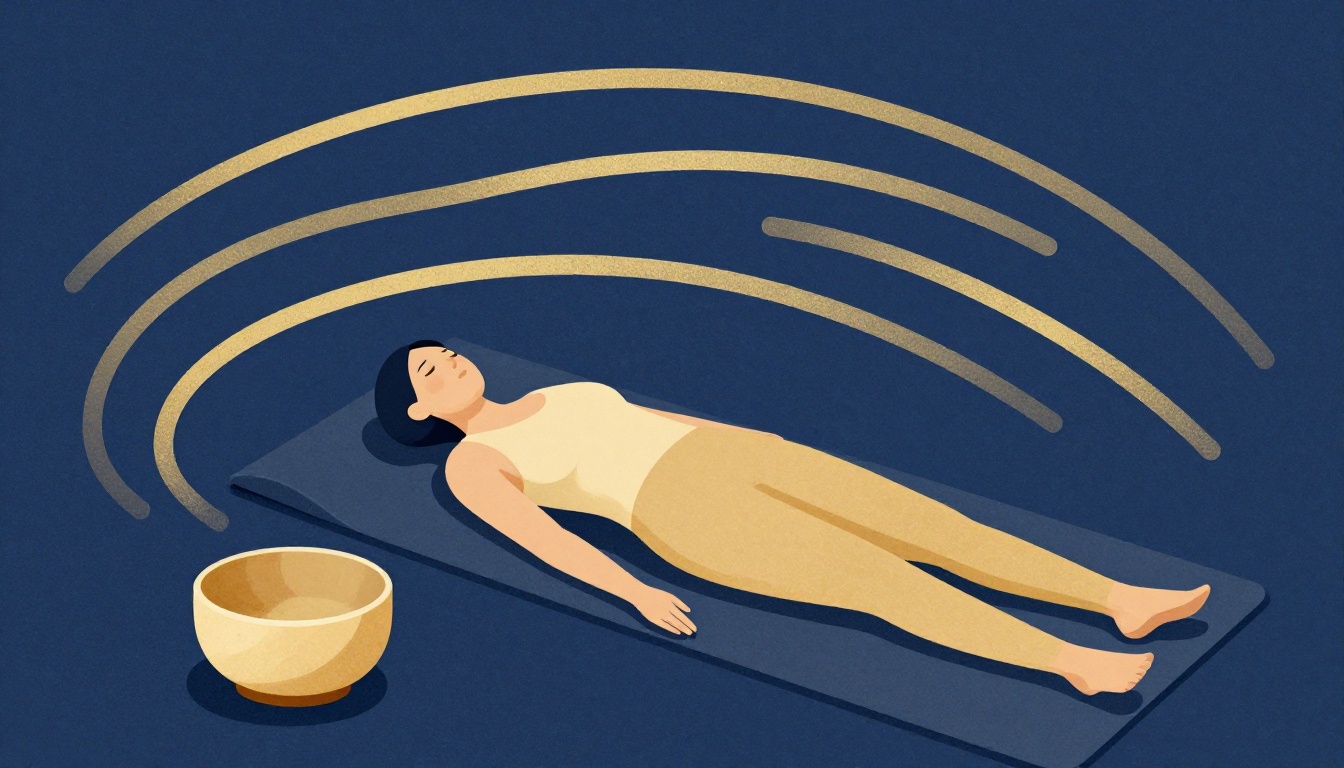
A sound bath is a meditative experience where you lie down and let sound waves from instruments like singing bowls, gongs, chimes, or tuning forks surround you. There’s no water involved; the “bath” refers to being immersed in sound and vibration. The practice has roots in Tibetan and Buddhist traditions, where sound has been used for centuries to ease pain, calm the mind, and support healing. Modern sound baths often blend these ancient instruments with contemporary techniques to create a deeply soothing auditory landscape.
How sound baths help with stress
Research on sound baths is still emerging, but early studies are promising. A 2016 study published in the Journal of Evidence-Based Integrative Medicine found that after a sound meditation, participants reported significantly less tension, anger, fatigue, and depressed mood. Other research suggests that sound baths may help lower stress, improve mood, and support emotional well-being, according to WebMD. The Cleveland Clinic notes that sound baths may help you feel calmer, less stressed, and more relaxed, with some people also experiencing pain relief and better sleep.
The mechanism behind these benefits may involve the parasympathetic nervous system—the part of your body responsible for rest and digestion. The soothing tones and vibrations are thought to shift your body from a “fight-or-flight” state to a “rest-and-digest” state, which can lower heart rate, reduce stress hormones, and ease muscle tension.
How to do a sound bath at home
You don’t need a studio full of instruments to experience the benefits of a sound bath. With a few simple steps, you can create a restorative session in your own home.
Step 1: Set up your space
Choose a quiet room where you won’t be interrupted. Silence your phone and let others know you’re taking time for yourself. Lay down on a yoga mat, bed, or couch—wherever you’ll be most comfortable. Have a blanket nearby, as your body temperature may drop as you relax. Dim the lights or light a candle to create a calm ambiance.
Step 2: Choose your sound source
If you have singing bowls or chimes, you can play them yourself. If not, you can use a virtual sound bath—there are many recordings available online. For the most immersive experience, use headphones, as they help you focus on the sounds and block out distractions.
Step 3: Get comfortable and set an intention
Lie down, close your eyes, and cover them with an eye mask if you like. Take a few slow, deep breaths to settle in. You might set a simple intention, such as “I release tension” or “I am open to relaxation.” Remember, you don’t need to control your thoughts—just let the sounds wash over you.
Step 4: Let go and listen
Allow the tones and vibrations to guide you. You may notice your mind wandering; that’s okay. Gently bring your attention back to the sound. Stay for 10 to 20 minutes if you’re a beginner, and gradually extend the time as you become more comfortable.
Step 5: Come back slowly
When the sound bath ends, take a few moments to notice how you feel. Wiggle your fingers and toes, stretch gently, and sit up slowly. Drink some water to rehydrate, as sound baths can be surprisingly dehydrating.
Tips for a deeper experience
- Stay hydrated: Drink water before and after your session to support your body’s relaxation response.
- Eat light: Avoid heavy meals before a sound bath, as digestion can interfere with relaxation.
- Be consistent: Like any meditation practice, regular sound baths are more effective than occasional ones. Try to incorporate one into your weekly routine.
- Keep an open mind: The experience can vary from session to session. Some days you may feel deeply relaxed; other days you might feel emotional release. Both are normal.
Is a sound bath right for you?
Sound baths are generally safe for most people, but if you have a psychiatric disorder or are prone to feeling overstimulated, it’s wise to talk to your healthcare provider before trying one. Some people may feel disoriented or emotionally vulnerable after a session, so it’s important to give yourself time to integrate the experience.
Quiz: Test your knowledge
Which of the following is a reported benefit of sound bath meditation?
- A. Reduced tension and fatigue
- B. Increased blood pressure
- C. Improved memory
Correct answer: A. Reduced tension and fatigue
How the Featured Expert Can Help
If you’re ready to deepen your stress-relief practice, Surabhi Kalsi, a spiritual teacher and wellbeing coach, offers personalized coaching and Angelic Reiki sessions through Grow with Surabhi. Her online programs and private sessions are designed to help you cultivate both spiritual and practical wellbeing, making her a valuable guide on your journey to inner peace.