If you struggle with emotional ups and swings, you may have tried various coping strategies without lasting relief. Chakra balancing meditation offers a targeted approach by working directly with the energy centers that influence your emotional state. When your chakras are aligned, energy flows freely, supporting emotional resilience and a calm mind.
Which chakra is associated with emotional expression and creativity?
Select one answer.
What are chakras and how do they affect emotions?
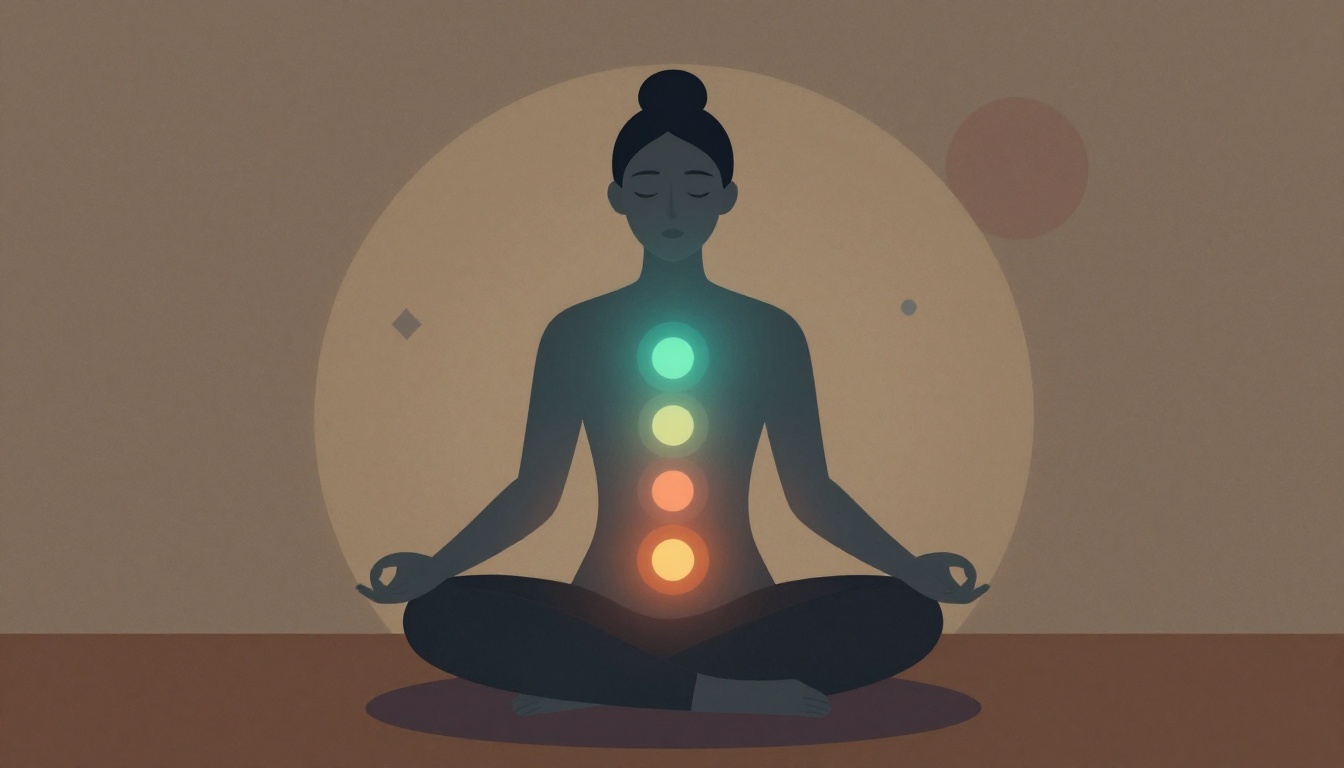
Chakras are spinning wheels of energy located along your spine, from the base to the crown of your head. Ancient Indian yogic texts first recorded them around 1500 BCE, and they are central to Hindu and Buddhist traditions as a map of the subtle body. Each of the seven main chakras corresponds to specific physical areas and emotional aspects of your life.
- Root Chakra (Muladhara) – at the base of the spine, linked to security and grounding. When balanced, it brings stability; imbalance can cause fear or fatigue.
- Sacral Chakra (Svadhisthana) – below the navel, governs creativity, sensuality, and emotional expression. A balanced sacral chakra helps you feel emotions freely without stagnation.
- Solar Plexus Chakra (Manipura) – in the upper abdomen, drives confidence and motivation. Imbalance may show as low self-esteem or digestive issues.
- Heart Chakra (Anahata) – center of the chest, connected to love, empathy, and compassion. When balanced, you feel more connected and compassionate.
- Throat Chakra (Vishuddha) – at the throat, influences communication and self-expression.
- Third Eye Chakra (Ajna) – between the eyebrows, linked to intuition and clarity.
- Crown Chakra (Sahasrara) – at the top of the head, connects you to spiritual awareness.
How chakra meditation supports emotional regulation
Chakra meditation aims to unlock and balance these energy centers, fostering harmony and vitality. Research shows that chakra-focused practices like meditation and mindfulness positively influence brain waves and reduce stress. Regular practice can help you manage anxiety, build emotional resilience, and improve relationships by making you better equipped to handle interpersonal challenges.
According to the Calm Blog, benefits of chakra meditation include emotional stability, clarity and focus, physical health improvements, spiritual connection, and enhanced self-awareness. Insight Timer notes that chakra meditation offers stress reduction, emotional regulation, spiritual growth, physical healing, and mental clarity.
A step-by-step chakra balancing meditation practice
You can practice chakra meditation at home using visualization, breathwork, and affirmations. Here is a simple sequence:
- Find a comfortable position – sit or lie down with your spine straight. Close your eyes and take a few deep breaths.
- Start at the root chakra – visualize a red spinning wheel at the base of your spine. Breathe into that area and silently affirm, "I am safe and grounded."
- Move to the sacral chakra – picture an orange glow just below your navel. Affirm, "I embrace my emotions and creativity."
- Focus on the solar plexus chakra – see a yellow light in your upper abdomen. Say, "I am confident and empowered."
- Open the heart chakra – imagine a green or pink light in your chest. Breathe as if your heart itself is breathing. Affirm, "I give and receive love freely."
- Continue upward – visualize blue at the throat, indigo at the third eye, and violet or white at the crown. Spend a minute on each.
- Close – bring your awareness back to your breath. Gently open your eyes.
For deeper work, you can use guided meditations that focus on specific chakras. For example, a heart chakra meditation for emotional release involves breathing in and out through the heart, inviting an emotion that is ready to be felt and released, and using the rhythm "I allow" on the inhale and "I release" on the exhale.
Practical tips for consistent practice
- Start small – even 5–10 minutes daily can make a difference.
- Use color visualization – each chakra has a specific color; focusing on it helps activate the energy center.
- Combine with breathwork – deep diaphragmatic breathing or alternate nostril breathing calms the nervous system and supports chakra work.
- Repeat affirmations – tailored affirmations for each chakra reinforce the emotional shift.
- Track your progress – notice changes in your emotional reactions over weeks of regular practice.
Quiz: test your understanding
Which chakra is associated with emotional expression and creativity?
- Root Chakra
- Sacral Chakra
- Heart Chakra
How the Featured Expert Can Help
Surabhi Kalsi, spiritual teacher and wellbeing coach at Grow with Surabhi, offers personalized private coaching, teacher trainings, and Angelic Reiki sessions. Her mentor-led approach integrates spiritual and practical wellbeing, making it ideal for those seeking tailored guidance on chakra balancing and emotional stability. Visit her website to explore online programs and free resources.