
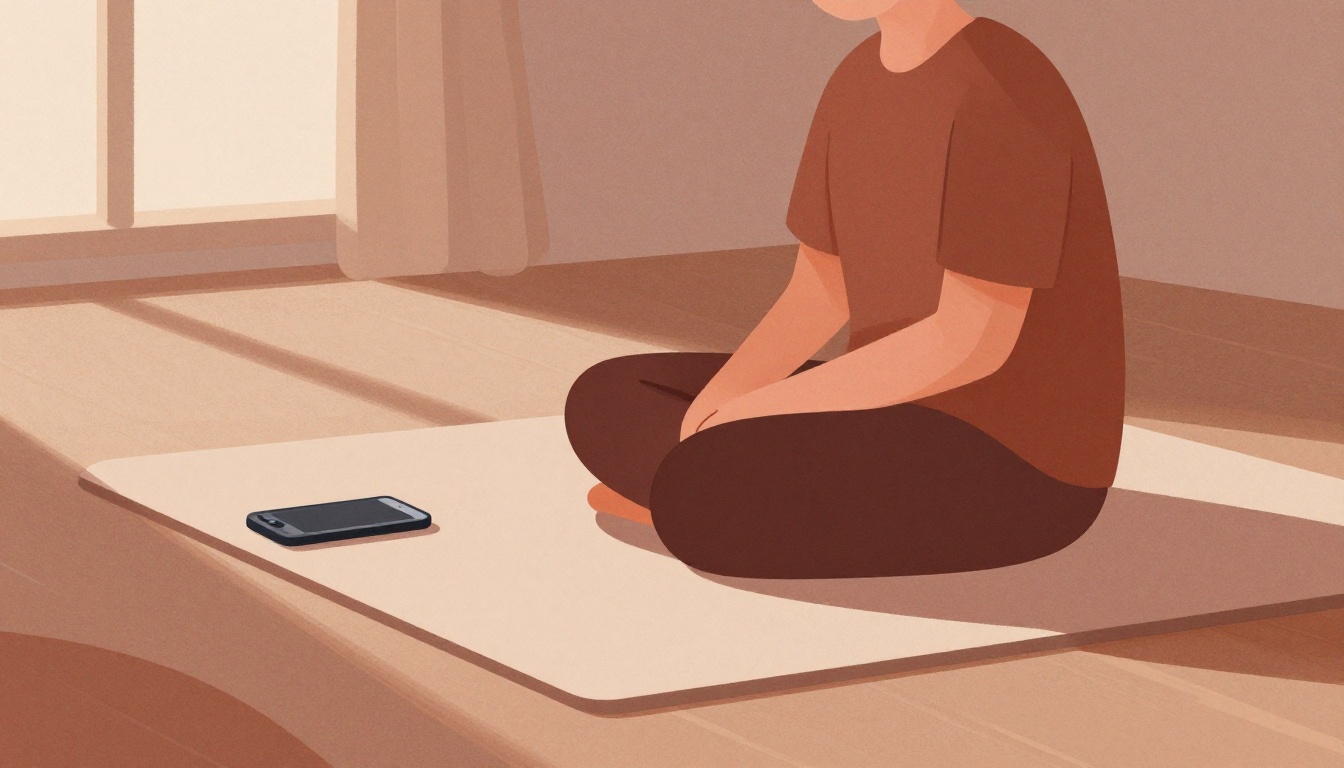
If you feel drained by constant notifications, struggle to focus, or find yourself scrolling mindlessly, you're not alone. Research shows that too much screen time can increase stress, disrupt sleep, and reduce your ability to be present. A digital detox—taking a deliberate break from devices—can help restore balance, but it doesn't have to mean going cold turkey. By pairing your detox with mindfulness, you can build a sustainable routine that improves mental clarity, emotional resilience, and overall wellbeing. Here is a practical 5-step mindfulness routine to guide you.
Which of the following is a recommended first step in a digital detox?
Select one answer.
Step 1: Set your intention and define your boundaries
Start by deciding what you want to change. A digital detox can be a full break or a partial one—like limiting social media or creating screen-free zones in your home. According to Cleveland Clinic, the first step is to choose a specific behavior to change, such as not checking email after 7 PM or keeping your phone out of the bedroom. Write down your intention and make it concrete: "I will not use my phone during meals" is more actionable than "I'll use my phone less."
Step 2: Create no-phone spaces and unplugged hours
Designate physical areas and time blocks where devices are not allowed. This could be the dining table, your bedroom, or the hour after you wake up. As NimbleRx suggests, setting no-phone spaces helps you be fully present in activities like family dinners, exercise, or reading. Start with one or two spaces and gradually expand. During unplugged hours, keep your phone in another room to reduce the temptation.
Step 3: Replace scrolling with mindful alternatives
Withdrawal symptoms are common when you reduce screen time, so it's crucial to have replacement practices. Instead of reaching for your phone, try journaling, taking a nature walk, or doing a few minutes of breathwork. Research from the Journal of Behavioural Addictions shows that even having your phone in view can reduce cognitive capacity, so physically distance yourself from it. Engaging in hobbies that involve your hands—like drawing, gardening, or cooking—can help occupy your mind and reduce the urge to scroll.
Step 4: Practice the STOP technique when you feel overwhelmed
When you catch yourself reaching for your device out of habit or stress, use the STOP technique: Stop what you're doing, Take a deep breath, Observe your thoughts and urges, and Proceed with a mindful choice. This micro-mindfulness practice, highlighted by The Tranquil Mind, helps you pause before reacting. It also builds awareness of your triggers, making it easier to break the cycle of compulsive checking.
Step 5: End your day with an analog wind-down
Create a consistent bedtime routine that includes a one-hour screen-free period before sleep. Exposure to artificial light from screens can disrupt your circadian rhythm and reduce sleep quality, as noted by Calm Classroom. Use this time for relaxing activities like reading a physical book, gentle stretching, or meditation. This not only improves sleep but also helps you wake up more refreshed and less anxious.
Make it a journey, not a one-time fix
Digital wellbeing is an ongoing process, not a checklist. As research from the College of Charleston suggests, relapses are common, and your needs will evolve. Set small goals, monitor your progress, and be kind to yourself when you slip up. The goal is not perfection but a more mindful relationship with technology.
Quiz: Test your knowledge
Which of the following is a recommended first step in a digital detox?
- A. Going cold turkey and eliminating all screens for a month
- B. Deciding on a specific behavior to change, like not checking email after 7 PM
- C. Buying a new smartphone to track your usage
Correct answer: B. According to Cleveland Clinic, the first step is to decide on a behavior to change, not to go cold turkey.
How the Featured Expert Can Help
Surabhi Kalsi, a spiritual teacher and wellbeing coach, offers personalized coaching and Angelic Reiki sessions to help you cultivate both spiritual and practical wellbeing. Through her platform, Grow with Surabhi, you can access private coaching, teacher trainings, and online programs designed to support your mindfulness journey and digital detox goals.